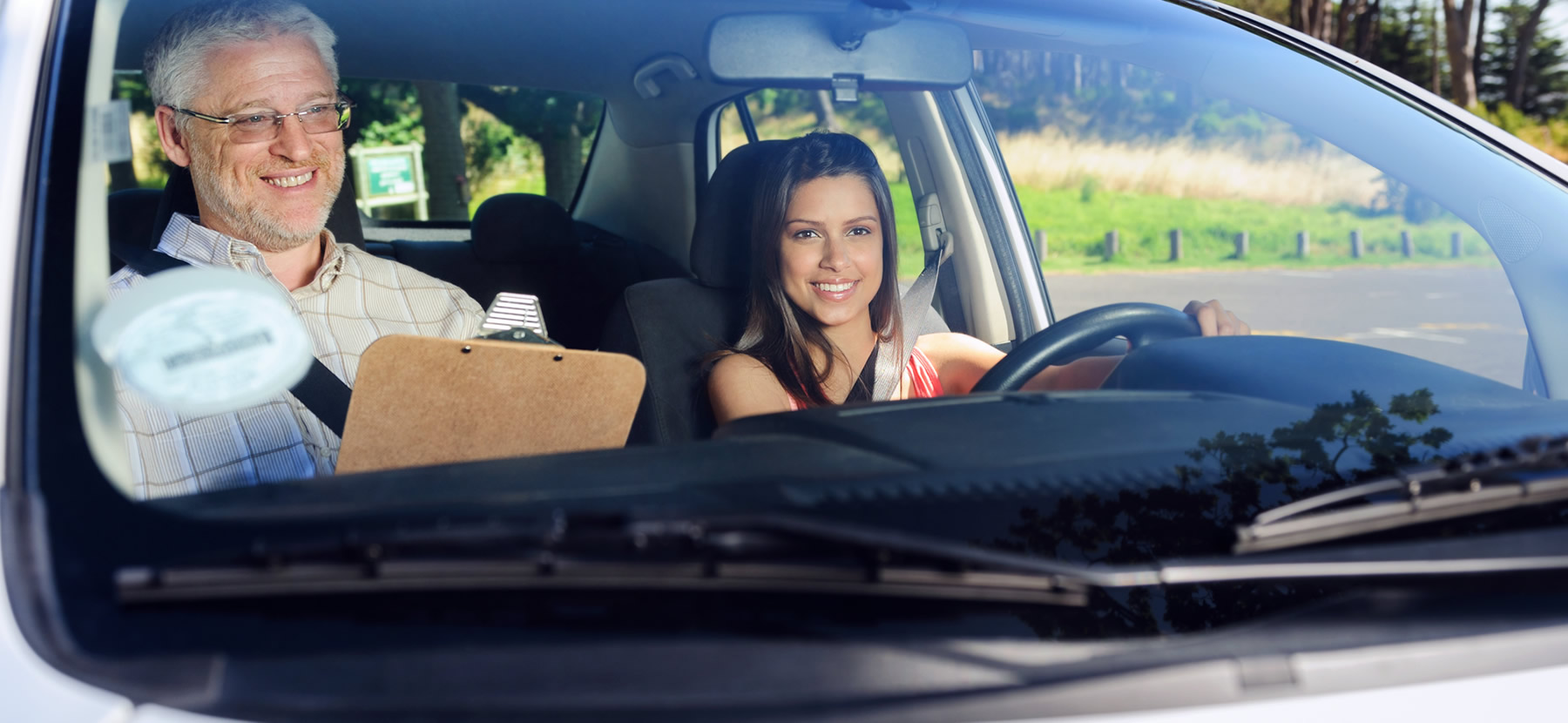

We’ve asked some experienced IFI staff members who’ve shared their tips and tricks on teaching international students how to drive– Jon Dudo, Jerry Shelhaas, Atalie Bale, and Janelle Koerte!
Buckle up for important information to come in this article! (pun intended 😎)
** DISCLAIMER: Unless you want to take the insurance risk, have them use their own car for driving and have their own insurance. If they are in an accident and don’t have their own car and insurance, you are liable. **
Benefits of Teaching a Student to Drive
Teaching a student to drive is a time investment, but it also gives you a lot of one-on-one time with them! Make the most of this opportunity by talking and getting to know them in between teaching, as this time in the car can be beneficial for forming deep relationships with students. Not only do they feel like you’re truly helping them, but it’s a more relaxed setting where you can get to know them on a personal level and hear more about their everyday life, the highs and the lows. Just don’t talk to them too much while they are learning new skills! Janelle says: “Something I quickly learned was that I needed to remember to stay quiet while driving. If I distracted her too much while she was driving, she would start making more mistakes. Before and after driving practice was the time to chat!”
In addition, learning and conquering something new together gives you a lot of good bonding and things to celebrate with a student. Atalie says, “Teaching my friend from Bangladesh really grew our relationship deeper! I learned things about her I wouldn’t have known and it gave me the chance to pray with her multiple times, both about life things and driving test things!”
Before Getting a Temporary Driver’s Permit
1. Ask questions and research
First, ask them if and how long they’ve driven in their home country and how they received their license (because in some countries, it’s allowed to simply purchase a driver’s license without passing a test). Second, ask them what driving is like in their home country and do your own research about it (ex: driving on the other side of the road, pushing into lanes, etc.). Third, ask them if they drove a manual or automatic car– you don’t want them to step on the brake and gas at the same time if they’re driving an automatic but are used to driving a manual! Lastly, ask them about insurance, explaining liability issues.
2. Go through different driving scenarios
Explain the process of what needs to be done if ever in a car wreck. If in a state with proper winter weather, explain hazardous road conditions and how to drive in the snow.
3. Have connections ready and prep materials needed
Make sure to have a few well-known mechanics and body shops in case the students need car maintenance. It’s also good to have a set of cones for the maneuverability side of the test– ask family, friends, church folk, etc. if they own any or invest in some of your own. There are also often places that will let you rent them. Check your town for insurance agents, churches, or driving schools who have cones to borrow!
4. Be a study buddy
Help them study for the multiple choice permit test, going over the main rules of your state.
Practicing Driving
As you begin helping your student actually practice driving, expect the unexpected while being gracious and encouraging. Don’t assume their level of experience. Even if they have experience with driving, it will still be different because of the driving rules and setting in a new country.
Also, don’t be afraid of them making mistakes. Be ready to give lots of grace and surrender the need to control everything, allowing the student freedom and in turn, making them feel more at ease. Encourage them and have fun. Janelle says: “I found that my biggest role in helping my students was remaining calm, showing them that I was confident in their ability to transport me safely, and to encourage them when they made even small movements towards progress!”
Follow the tips below the first few times you take them driving until you see their level of proficiency improving:
- Teach them how to adjust their mirrors, use their turn signals, and what each button/dial is. The defroster is an important one if you live in colder climates!
- Start in a parking lot. Have them slowly speed up, slow down, and come to a smooth stop, getting comfortable with the accelerator and brakes.
- Have them learn the boundaries of their car by placing the tires on both sides of the car on the painted lines. Have them slowly pull forward until they are near a wall or a light pole without hitting it; the same goes for backing up. Once they know the boundaries of the car, have them practice the right and left turns in the lot.
- Have them pull into and out of parking spots.
Once they are comfortable, relaxed, and know the boundaries of the car, take them out in neighborhoods without a lot of traffic so they can practice on the streets. Slowly increase the difficulty to more traveled roads, stop lights, and two lanes. For their first introduction to the highway, take them out when traffic is light so they can practice driving at higher speeds, merging, exiting, and changing lanes. Eventually you can take them out during heavier traffic to practice the same things.
Before they take their test for a driver’s license, they will need to pass the skills portion. Help them practice!
- Get cones and practice maneuverability or parallel parking (different depending on the state).
- Go to the BMV website to get the dimensions of how far apart to place the cones, plus have an understanding of the points system for the test (how many points they have to score and what constitutes a failing grade).
- Have them practice until they can easily perform this maneuver at least three times in a row without hesitation. Janelle says: “This was the hardest part! But consistent practice helped. It was also super helpful to have other friends help her. I would help her one day of the week and two other friends practiced with her on other days. Teamwork makes the dream work!”
- Have students create a checklist of the skills on the driving test to stay organized. They can check these off as they practice and gain confidence as each skill gets checked off!
During and After the Test
- Pray for your students: ask them if you can pray for them before they take their test, as it’s a nerve-wracking experience for many international students– it’s often very appreciated!
- Uplift them, no matter what. Encourage them, even if they don’t pass the test for the first time. And celebrate when they pass the test, maybe treating them to ice cream or something else!
- If they don’t own a car and would like to buy one, teach them how to get an affordable car and how to use certain websites, like Facebook Marketplace. Suggest they have a local mechanic look at any cars before they are bought to give them honest feedback on the condition of the car and fairness of the price.
- Pray for them to find a reliable car and ask around your community if anyone has anything for sale.
We hope these tips are helpful as you teach your international student friends how to drive. You are meeting a real need they have! It’s so empowering for them because of the lack of transportation they often experience and the loneliness and isolation that happens as a result of not being able to get places on their own; they won’t take you for granted!
Happy testing and safe driving! 🚗
